Read the Field Before You Unroll: A Wanderer's Guide to Choosing the Perfect Pitch

There's a moment, usually around six o'clock on a Friday evening, when you first step out of the car at a tipi site. The kettle's still in the boot. The stove hasn't been touched. And yet — whether you realise it or not — you've already started making decisions. Your eyes have swept the field. Your boots have had a say. Somewhere in the back of your mind, a very old bit of brain is asking: is this ground good?
It's a question worth taking seriously. Because in the world of canvas living, the ground isn't just where you sleep. It's the whole foundation of the weekend.
What Your Wellies Are Trying to Tell You
Start with the squelch. If your boots make that unmistakable gluck-gluck sound as you cross the field, you've just received your first weather report — one written in mud. Spongy ground in dry weather means clay underneath, holding water long after the rain has gone. Spongy ground in wet weather means you should probably start looking uphill.
Site owners know this intimately. "We walk every field after a storm," one groundswoman in the Mendips told us. "You learn the drainage like you'd learn a friend's moods. There's a hollow by the gate that floods first every single time. Guests never see it — because we've moved the pitches away from it."
That's the luxury of a proper tipi site: someone has already done the reading. But even so, the choice of where exactly you pitch — or where within your chosen spot you put the bedroll, the stove, the chairs — still matters.
The Goldilocks Turf
The perfect pitch, according to just about everyone we spoke to, is short, firm grass that springs back slightly underfoot. Not a mattress — more like a well-worn rug. Too soft and you'll feel every contour by 3am. Too hard and baked (a genuine possibility in an English heatwave) and you'll be hammering pegs into something closer to concrete.
Here's the quick checklist worth running through the moment you arrive:
- The heel test. Press your heel firmly into the ground. It should give a little, then stop. If it disappears, move on.
- Look for the flat, not the dip. A dip can look flat at dusk. A gentle rise beats a hollow every time — water runs downhill, and so does your patience at 2am.
- Mind the trees. Overhead cover is lovely until a branch drips all night or a gusty morning shakes a season's worth of dew onto your canvas.
- Sniff the air. Sounds daft, but stagnant smells near a pitch often mean standing water nearby — and standing water means midges.
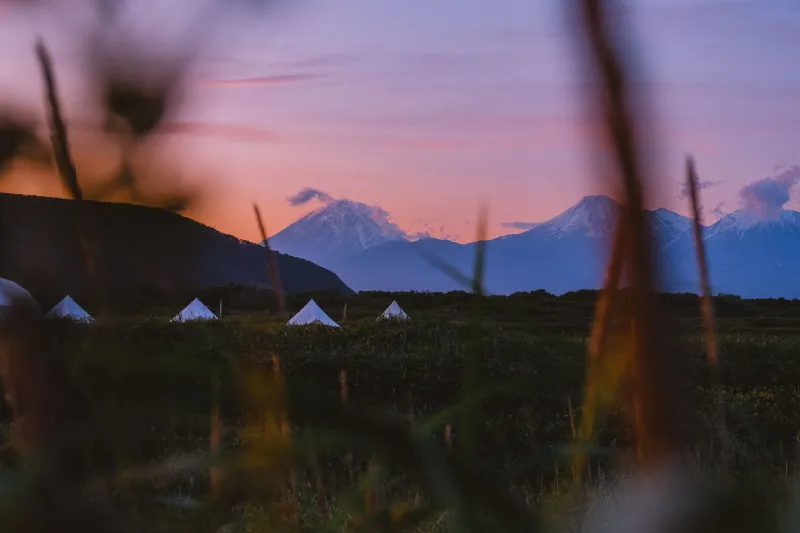
- Check the view from the doorway. You'll spend more time looking out of a tipi than you think. Face it towards the sunrise, or the wood, or whatever makes your heart lift.
The Season Behind the Field
What guests never see is the winter work. Fields get harrowed and reseeded in autumn. Worn patches from last summer are given a season to recover — many sites rotate pitches the way farmers rotate grazing. One owner in the Yorkshire Dales described walking his land in February with a spade, checking how deep the frost had gone, because "frozen ground tells you where the water sits. It always sits where you don't want it in July."
That kind of slow, seasonal attention is, we'd argue, the whole point of this kind of holiday. You're not buying a room; you're borrowing a piece of ground that someone has cared for across the year. The least you can do is read it back.
Arrive Slow, Choose Once
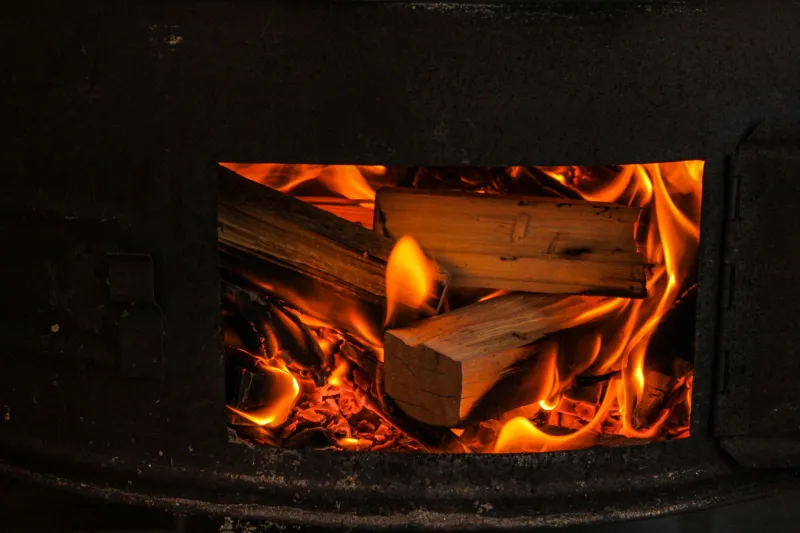
So here's our advice: don't sprint from the car to the canvas. Take ten minutes. Walk the field. Let your boots do the interrogating. Watch where the light falls and where the wind funnels. Then choose — deliberately, once — and know that everything after that first good decision, from the first log on the stove to the last cup of tea in the doorway, is built on solid ground.
Quite literally.