The Wide-Angle Truth: Reading a Tipi Listing Like a Field Detective
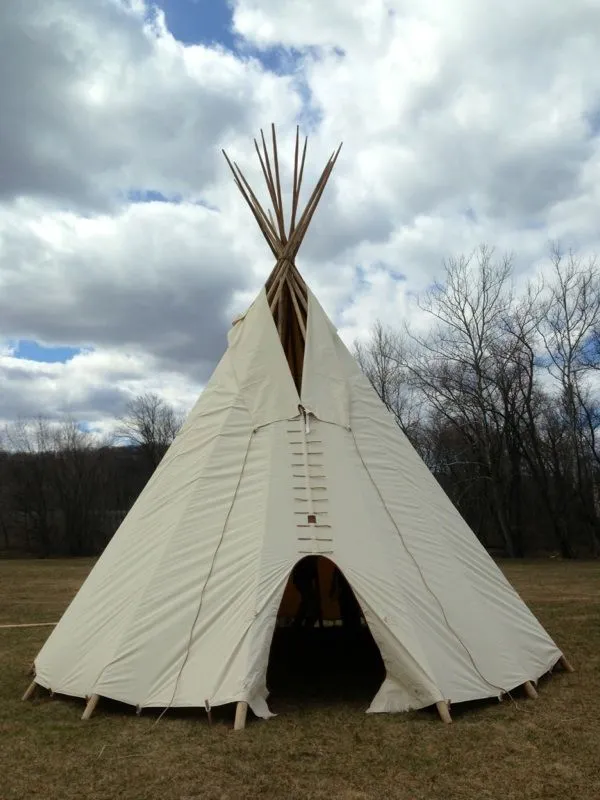
Photo: tipi glamping site in UK field wide angle view fire pit, via i.pinimg.com
There is a particular kind of optimism that comes over a person at 10pm on a Tuesday with a deposit form open in one tab and a tipi listing in the other. The photos are golden. The fire pit is glowing. Someone has placed a enamel mug on a stump with what looks like practised nonchalance. You are already mentally packing the woolly hat.
Then you arrive, six months later, and discover that the meadow has a camber like a skateboard ramp and the loo is a moonlight hike away. None of this ruins a weekend, exactly. But it does make you wonder how much of it you could have spotted from the sofa.
Quite a lot, as it happens. A tipi listing is not just a brochure. It is a set of clues. You do not need to be cynical about it. You just need to be a little more detective and a little less dreamer for five minutes before you click book.
Start with the horizon, not the hot tub
The first thing most of us look at is the tipi itself, or the fire, or the view. The first thing a field detective should look at is the line where the land meets the sky. In a wide-angle photo, that line tells you more about your sleep than any cushion arrangement ever will.
If the horizon is noticeably tilted, the pitch is probably on a slope. A gentle gradient is fine. A proper lean is not, especially if you are in a tipi where you will be rolling downhill in a sleeping bag by 2am. Look at how the tipi sits against the background. Are the guy ropes longer on one side? Is the ground visibly higher at the back? Has the photographer cropped the bottom of the frame, perhaps because the foreground drops away sharply?
Wide-angle lenses are wonderful liars. They stretch the edges, making a modest patch of grass look like a private estate and a small hedge look like a shelter belt. They also push the background further away than it really is. That is not a conspiracy. It is just optics. Your job is to read the optics back the other way.
Shelter is a shape, not a caption
A listing will often say something like sheltered spot or tucked away. Sometimes that is true. Sometimes it means the tipi is beside a hedge that blocks the view but funnels the wind straight through the entrance.
Look at the shapes around the pitch. A thick hedge, a wall, a stand of trees or a gentle fold in the land will all show up in the edges of the photo if you stop staring at the bunting. Check the direction of the shadows. They tell you where the sun comes from, which is useful if you are booking a shoulder-season weekend and fancy a bit of morning warmth rather than a cold slap of shade.
Also look at what is not in the frame. If every photo is tightly cropped around the tipi and the fire bowl, ask yourself why. There may be a perfectly nice answer, such as a farmyard or a private house. There may also be a road, a caravan storage yard or a neighbouring pitch that is a lot closer than the wording suggests. You are not looking for faults. You are looking for context.
The loo is a distance, not a dot
This is the big one. Every listing photo makes the facilities look close, because a photographer standing beside the tipi can include the washblock in the background. What you cannot tell from that is how long it takes to reach it at 3am in a head torch, wearing whatever you last had on your feet.
Use the photo like a map. Find something with a known size, such as a gate, a car, a picnic bench or a person. Then count the gap. If the washblock looks small but the tipi looks large, the distance is probably longer than the picture feels. If the listing says a short stroll, treat that as a phrase, not a measurement. Short strolls are lovely in daylight. They are a different proposition in horizontal rain.
Look for paths in the photos. A mown track or a gravel route suggests the host has thought about wet feet. A vague stretch of grass suggests you will be making your own route. Neither is a dealbreaker, but you should know which one you are booking. If there is no obvious path and no mention of lighting, ask. A little red light on a compost loo is not a luxury. It is a small kindness.
The three questions that earn their place
A good host will not mind three sensible questions. They would rather answer them now than watch you discover the answers in the dark. Keep them specific and friendly, and you will usually get a specific and friendly reply.
First: how far is the loo, honestly, and is the route lit or easy to follow? This is not a fussy question. It is the difference between a relaxed night and a small expedition. Second: what sits between the pitch and the prevailing wind, and is there anything nearby that makes noise, such as a road, a farmyard or a wedding venue? That one question covers a lot of ground. Third: what exactly is included in the fire and cooking setup, and is there a shop within easy reach if we forget something? It tells you whether you are packing for a self-sufficient night or a gentle glamp.
You can ask about parking too, of course. But those three will do most of the heavy lifting.
A five-minute habit worth keeping
None of this is about finding the perfect listing. The perfect listing does not exist, and a bit of imperfection is often what makes a place memorable. The point is to book with your eyes open. Know whether you are getting a flat pitch or a gentle slope. Know whether the loo is a minute or a mission. Know whether the shelter is real or just a nice word in the description.
The best tipi weekends are not the ones where everything is flawless. They are the ones where nothing catches you by surprise in a bad way. Five minutes of quiet photo forensics on the sofa is a small price to pay for that. Bring the optimism. Just bring a tape measure for the horizon as well.